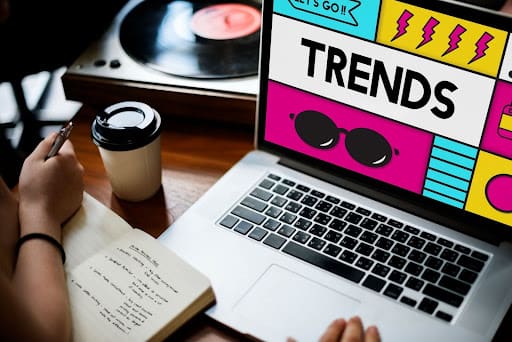
Top Web Design Trends That Influence SEO Performance in 2026
Keeping your website ahead of the curve is no small feat; especially when web design trends and SEO best practices are changing faster than you can say “ranking boost.” In 2026, understanding how design influences SEO, backed by data, is the name of the game.
Minimalist Designs With Maximum Impact
Less truly is more in 2026. Minimalist web design does not just look sleek; it helps search engines understand your content faster. Websites that cut through the clutter reduce page load time, which is critical for SEO.According to Google’s Page Experience Report 2024, a 0.1-second improvement in load time can boost conversions by 8%. A minimalist layout also improves user engagement and is a key ranking signal because visitors can find what they need without distractions.Think of it like cleaning out your closet; the easier it is to find the essentials, the more likely you will use them. SEO benefits:
- Faster page speed improves crawlability
- Lower bounce rates signal higher relevance
- Simplifies mobile navigation; critical for Core Web Vitals
See how Aesthetics Digital implements minimalist custom designs to maximize SEO impact.
Mobile-First Design Is Non-Negotiable
By 2026, mobile devices will account for over 65% of global web traffic. Google’s mobile-first indexing means your mobile site is now the primary version crawled and ranked. Responsive design is non-negotiable; touch-friendly buttons, readable fonts, and streamlined navigation. Websites that feel clunky on mobile can frustrate users and tank rankings. In fact, slow-loading mobile sites cause 53% of visitors to abandon their pages. Quick tip: Test your mobile layout with Google’s Mobile-Friendly Tool to avoid leaving traffic on the table.
Voice Search and Conversational UX
“Hey Google, what are the top web design trends in 2026?” Voice search is expected to account for 50% of all searches by 2026. Websites that adopt conversational, natural-language content have a leg up. Structuring content to answer questions clearly, using FAQs, bullet points, and well labelled headings, improves its chances of appearing in rich snippets. It is like setting breadcrumbs for both users and search engines. SEO benefit: Aligning content with voice queries boosts semantic relevance and search visibility.
Microinteractions and Engaging Animations
Small touches like hover effects, scroll-triggered animations, and feedback buttons, known as microinteractions, can significantly improve engagement. Research shows that websites with subtle, interactive elements can increase user session duration by up to 20%. Even small details can make a big difference; as the saying goes, “the devil is in the details.”
Accessibility and Inclusive Design
Accessibility is no longer optional. Websites designed with inclusive principles like alt text for images, keyboard-friendly navigation, and screen reader compatibility can reach broader audiences and improve SEO rankings. Why it matters: Google rewards sites that improve UX for all users. Accessible sites reduce bounce rates and increase dwell time, while also opening doors to untapped audiences. Inclusive design is like casting a wider net; more engagement, and more visibility. Pro tip: Combine automated accessibility checkers with manual testing for best results.
Speed and Core Web Vitals Optimization
Core Web Vitals, such as Largest Contentful Paint (LCP), First Input Delay (FID), and Cumulative Layout Shift (CLS), remain crucial ranking factors. Studies show 75% of users leave a page that takes longer than 3 seconds to load. Practical ways to optimize speed in 2026:
- Compress and optimize images
- Minify CSS and JS files
- Implement lazy loading for off-screen content
- Leverage browser caching
Even the best content will not rank if your website is slow or frustrating to use.
SEO Strategies to Pair With Design in 2026
Design alone is not enough; aligning SEO strategies is key.
- Content depth: Long-form, authoritative content is favoured by Google’s AI-powered algorithms.
- Structured data and schema: Helps search engines interpret and display content as rich results.
- E-A-T principles: Expertise, Authoritativeness, and Trustworthiness signals continue to influence rankings.
- AI-assisted SEO: Using AI tools for keyword research, content optimization, and SERP analysis speeds up ranking results.
When combined with a user-friendly, fast, and accessible design, these strategies give your website a strong competitive edge.
Practical Takeaways
- Prioritize minimalist, responsive design and accessibility to improve UX and SEO
- Optimize for voice search, structured content, and microinteractions
- Integrate advanced SEO strategies; structured data, E-A-T signals, and AI-assisted content optimization
Final Verdict
Want to future-proof your website for 2026? Aesthetics Digital helps businesses create SEO-friendly, engaging websites that turn visitors into loyal customers.
FAQs (Frequently Asked Questions)
Q1: What are the top web design trends in 2026 that impact SEO?
A: The top trends include minimalist layouts for faster load times, mobile-first and responsive design, conversational UX for voice search, microinteractions to boost engagement, and accessibility-focused design. Integrating these trends improves user experience, page performance, and search engine rankings.
Q2: How does mobile-first design affect SEO in 2026?
A: Google uses mobile-first indexing, meaning it primarily evaluates the mobile version of your site for ranking. A mobile-friendly website ensures faster load times, lower bounce rates, and better user engagement, all of which positively impact SEO performance.
Q3: Can microinteractions really influence SEO rankings?
A: Yes. Microinteractions like hover effects, scroll animations, and interactive buttons improve session duration and reduce bounce rates. Google considers these user engagement signals when evaluating website relevance and ranking, making microinteractions more than just a design flourish.
Q4: Why is accessibility important for SEO?
A: Accessibility improves user experience for all visitors, including those with disabilities. Search engines favor websites that are usable and inclusive, rewarding them with better rankings. Elements like alt text, keyboard-friendly navigation, and screen reader compatibility are key.
Q5: How can I combine web design trends with advanced SEO strategies for maximum results?
A: Pair modern design trends with SEO best practices such as structured data, E-A-T (Expertise, Authoritativeness, Trustworthiness), AI-assisted content optimization, and voice-search-friendly content. This holistic approach ensures your website is fast, user-friendly, and highly visible in search results.