Can You Actually Buy Liquid Oxygen? Here’s What You Should Know
If you’ve ever wondered whether you can actually buy “liquid oxygen” and whether it does what it claims, like boost energy, support metabolism, and enhance performance, so you’re not alone. Let’s dive in, because the truth is more than meets the eye.
What We Mean by “Liquid Oxygen”
First things first: when people say “liquid oxygen,” they’re often not talking about the cryogenic super cold substance used in rockets. True liquid oxygen (LOX) is a pale cyan cryogen that boils at -183 °C (-297 °F).
In the supplement world, however, “liquid oxygen” usually refers to a dietary product that claims to deliver oxygen in a bioavailable form to the body. It is often labeled as an energy supplement, metabolism booster, or vitality enhancer.
One key insight: according to a reliable review, these products “claim to add extra oxygen to the human body … but there is little scientific evidence to back this claim.”
So, yes you can buy a product marketed as “liquid oxygen,” but the real question is: what does it actually do? Let’s break it down.
How the Body Uses Oxygen (and Why It Matters for Energy)
Our bodies are like engines; oxygen is the fuel that keeps those pistons firing. Cells use oxygen in mitochondria to produce ATP, “your body’s energy currency.” Without sufficient oxygen, you feel fatigued, sluggish, and your metabolism sputters.
For example, supplemental oxygen therapy is prescribed when blood oxygen levels fall below ~88% saturation.
So the idea behind a “liquid oxygen” supplement is appealing: might it improve oxygen delivery, boost energy, and enhance metabolism? That’s the hook; and that’s where we come to the meat of the matter.
What the Research Says (Spoiler: It’s a Mixed Bag)
When you dig into the science, you’ll find caveats. On one hand, oxygen therapy in medical settings (e.g., COPD, ILD) clearly serves a function. For example, guidelines mention portable liquid oxygen systems for patients needing >3 L/min during exertion.
On the other hand, dietary supplement “liquid oxygen” products have no strong evidence that they meaningfully boost oxygen levels in healthy people. According to WebMD, dietary “vitamin O / liquid oxygen” has insufficient evidence to support claims like improving energy, metabolism, or immune benefits.
McGill University’s “Right Chemistry” blog points out: while the product is marketed as “liquid oxygen,” chemically it mostly contains water and salts with dissolved oxygen, a far cry from actual LOX.
So, in plain English, you can buy it, but you should set low expectations. The supplement may support overall wellness; but it’s not a miracle rocket fuel for your body.
The Product in Focus: What to Look For
If you’re thinking of purchasing a product marketed as liquid oxygen, here’s what to keep in your back pocket:
- Brand reputation and transparency: Look for trusted brands with clear ingredient lists and disclaimers.
- Third party testing: Does the product show purity, safety, and content consistency?
- Realistic claims: Does it say “boost energy” or “cure disease”? Big red flag.
- Complementary wellness: Ideally, the product supports energy alongside good habits (sleep, nutrition, movement).
- Regulatory disclaimers: Many such products are not FDA approved for disease treatment.
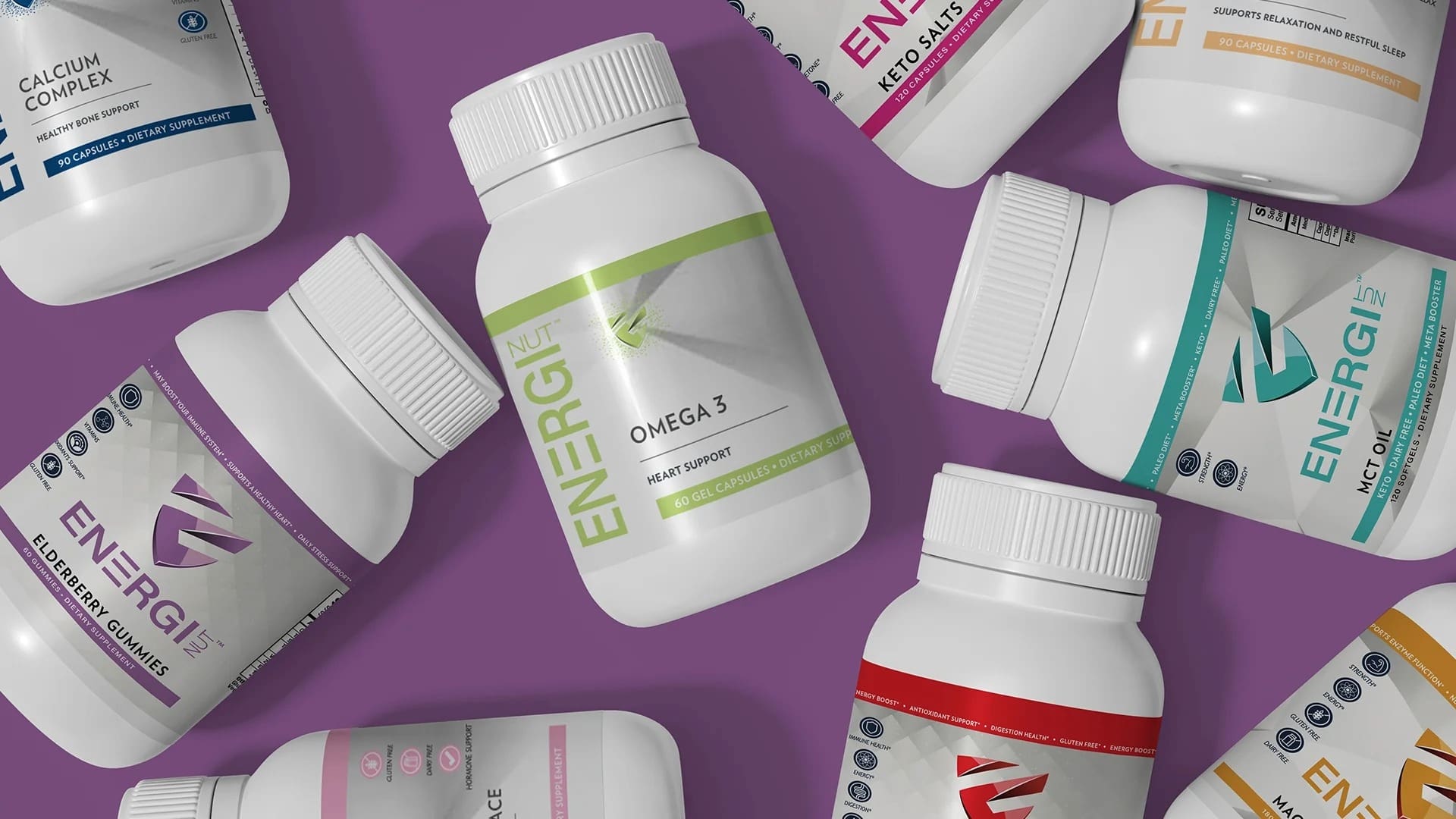
One example product that meets these standards (and is marketed as an energy supplement) is the EnergiNut “Liquid Oxygen” supplement.
Using a product from a reputable vendor, combined with realistic expectations, can help you separate the wheat from the chaff.
Benefits, Claims & What They Mean for You
What do these products claim? Here’s a breakdown; plus how much weight you should give each.
- Boosted energy and focus
Many liquid oxygen supplements claim they enhance oxygen delivery and energy production. While oxygen is foundational to energy, there’s no strong proof these supplements elevate blood oxygen significantly in healthy individuals. - Improved metabolism
The logic: more oxygen → more efficient metabolism → improved fat and energy turnover. This sounds great, but the body’s metabolism is governed by many more levers: hormones, sleep, nutrition, and activity. - Faster recovery and vitality
The “oxygen boost” message resonates with athletes or high performance folks. If you’re training hard, any extra help might matter. But again, real world benefit is unclear. - Simplified wellness support
If the product is seen as a wellness supplement and a part of an overall healthy routine, it may serve as a finishing touch; but not a foundational pillar.
Bottom line: think of these supplements like a helping hand, not a magic wand. They may help tip the scales; but won’t carry the weight alone.
Safety, Precautions & Reality Check
Let’s talk turkey: are there risks? What does safety data show?
Liquid oxygen therapy (for medical use) has well documented safety protocols: avoid fire risk, avoid excessive oxygen, and secure equipment.
In the supplement realm, data is sparse. The RxList site mentions that “vitamin O / liquid oxygen” agents have unknown safety profiles and lack verifiable evidence.
Key safety tips if you buy a liquid oxygen supplement:
- Always check with your healthcare provider, especially if you have lung, heart, or metabolic conditions.
- Don’t rely solely on the supplement; oxygen levels in blood are controlled by lungs, circulation, and hemoglobin.
- Treat it as part of a broader regimen: good sleep, hydration, nutrition, movement.
One must keep in mind: all that glitters isn’t gold. Just because it’s labeled “oxygen supplement” doesn’t guarantee an effect. Approach with a healthy dose of skepticism and a good dose of homework.
How to Maximize the Support from a Liquid Oxygen Supplement
If you decide to go ahead and buy a product like EnergiNut Liquid Oxygen, here’s how to use it smartly:
- Combine with good nutrition: eat whole foods, plenty of greens, and lean protein. Oxygen needs fuel.
- Prioritize sleep and recovery: your body does a lot of its repair during rest.
- Stay active: movement helps circulation and thereby oxygen delivery.
- Include hydration: water supports many metabolic processes.
- Track results: if your energy levels are noticeably better after 2 to 4 weeks, keep an eye; if not, reassess.
These habits help ensure the supplement isn’t a lone ranger; it’s part of a commuter train.
Practical Takeaways
- Do your research: read the ingredient list and claims, and look for third party testing.
- Set realistic expectations: understand that these supplements can support energy and metabolism; not replace foundational habits.
- Prioritize lifestyle fundamentals: sleep, hydration, nutrition, and movement will always be the bedrock; supplements are the garnish.