
The Business of AI Automation in South Africa
Examines how AI automation actually operates in South Africa, from global platforms and consulting partners to freelance builders, and who really controls adoption decisions.

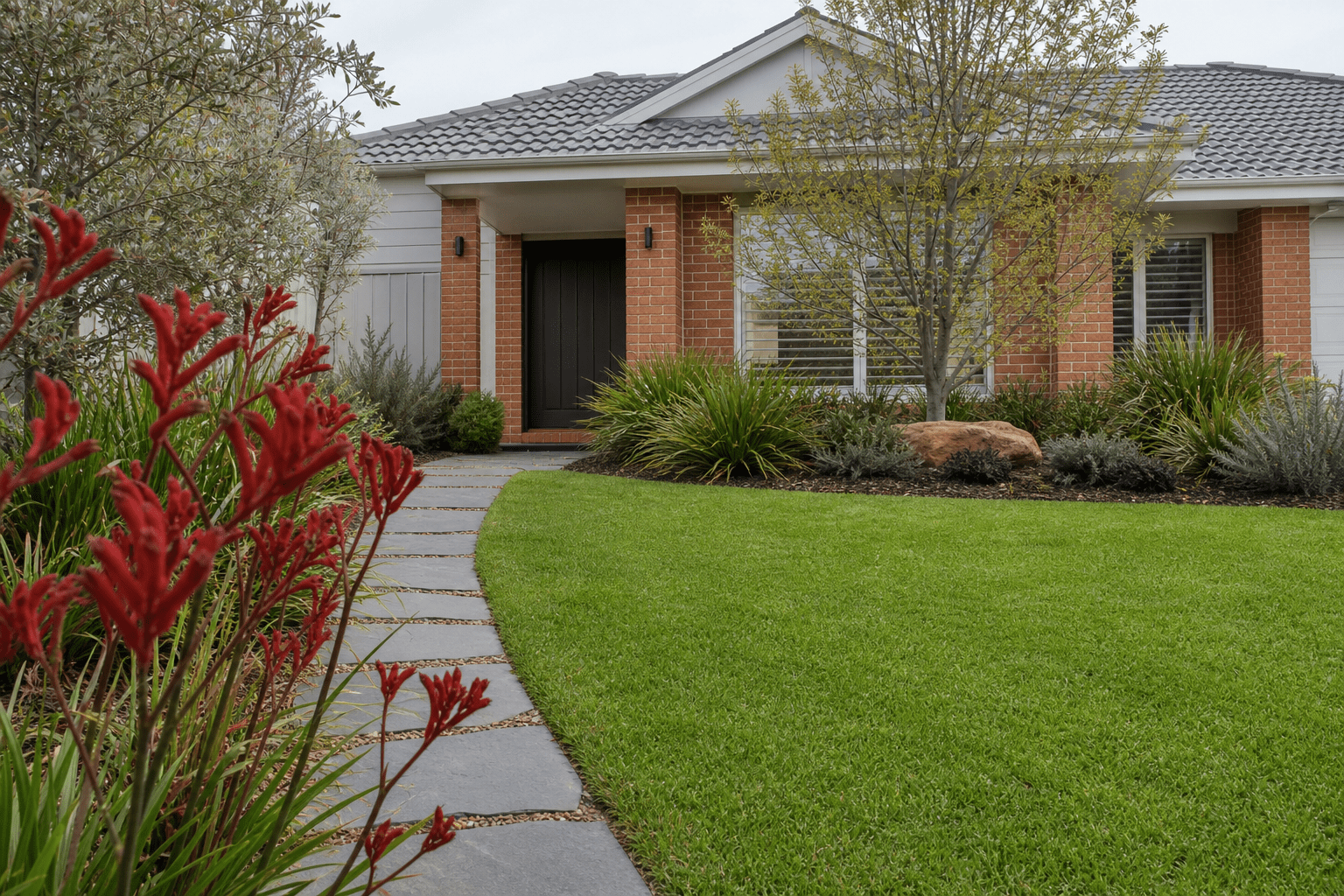
Drive through Northcote, Bentleigh, or Box Hill and you'll spot the same scene on repeat: a post-war brick veneer on a standard block, a thin strip of front lawn worn down by foot traffic and parked tyres, and a backyard that looks tidy enough from the kitchen window but barely gets used from one season to the next. The lemon tree is overgrown, the paving slopes the wrong way after heavy rain, and the rotary clothesline still dominates the line of sight.
That gap, between a yard that looks fine and a yard that actually works, is what most melbourne landscaping services are really being hired to close. Privacy, drainage, heat, storage, kids, pets, somewhere to sit in February without frying, those are the day-to-day failures owners live with long before they start thinking about plant palettes.
Good landscape design in Melbourne starts with constraints, not inspiration boards. The city's climate runs hot and dry through summer, cold and wet through winter, and shifts character within a single afternoon. Soils vary wildly, heavy clay through the eastern suburbs, sandier profiles closer to the bay, reactive ground that swells and shrinks with moisture. Established trees throw deep shade in some yards and root competition in others. Many inner blocks are narrow, sloped, or boxed in by neighbour walls and easements.
Cohesion with the house matters as much as the planting. A Federation weatherboard, a 1970s cream brick, an off-the-plan townhouse, and a renovated Victorian terrace each ask for a different relationship between hardscape, planting, and street. Garden landscaping melbourne projects that ignore that, dropping a sleek concrete-and-cor-ten scheme onto a period cottage, or putting a cottage garden in front of a minimalist new build, read as costume rather than design.
Good work also respects neighbourhood character. Heritage overlays, fencing rhythms, setback patterns, and street tree canopies all shape what a front yard can reasonably do without looking like it's shouting.
The shift that makes a backyard worth using is almost always about zoning. Most backyard landscaping melbourne briefs end up dividing a single underused rectangle into distinct areas: a dining or entertaining zone close to the house, a softer planted area, a play or lawn zone for kids and pets, and a utility strip that holds the bins, the line, the shed, and the air-con unit out of view.
Privacy comes next. Two-storey neighbours, side windows close to fence lines, and overlooked decks change how the space feels. Screening can be planting (pleached trees, bamboo in root barriers, tall hedging) or built (slatted screens, pergolas with battens), and the choice usually comes down to how much patience the owner has. Established screen planting takes years.
Pet-proofing and kid-proofing rarely make the brochures but drive a lot of decisions: gate latches that actually work, surfaces that won't shred small knees, lawn species that handle dog urine, plants that aren't toxic, lighting at step changes. Surface choice is where budgets quietly grow. Concrete, decking, pavers, gravel, and synthetic turf all have different drainage, heat, and maintenance profiles. North-facing paving that bakes in January is a common regret.
Access is the silent constraint. If side access is narrow, machinery can't get in, soil and rubble go out by wheelbarrow, and labour costs rise accordingly.
A front yard does different work. Front yard landscaping melbourne is less about lingering in the space and more about arrival, safety, and the rhythm a property sets on the street.
The practical layer comes first: where the car sits, whether the crossover and driveway match how the household actually parks, where bins live between collection days, how the letterbox and front fence relate to the neighbours either side. A front yard that ignores bin storage ends up with three wheelie bins permanently parked beside the porch, undoing whatever the planting was trying to do.
Visibility matters for safety, sightlines from the front door to the gate, lighting along the path, no dense planting at head height near entries. Low structural planting (clipped hedging, grasses, hardy natives) generally outperforms fussier schemes in a front yard because nobody waters or weeds the front the way they do the back.
The aim of most garden makeovers Melbourne homeowners commission is usually to lift the property without picking a fight with the streetscape. A front garden that reads as the loudest on the block tends to age badly.
The honest version of plant selection in Melbourne is that the easy-care palette is narrower than people think. Drought-tolerant doesn't mean no-water, it means established plants that survive a stretch of hot weather without collapsing, assuming the soil was improved at planting and mulch was laid properly. Westringia, correa, lomandra, dianella, agonis, and a handful of Mediterranean species do a lot of heavy lifting because they tolerate the climate swings without constant intervention.
Trees are the highest-stakes decision. Shade in the right spot drops summer temperatures noticeably; the wrong species drops leaves into the pool, lifts paving, or undermines a slab over the long term. Microclimates inside a single block, a hot western fence, a damp shaded southern corner, a wind tunnel down the side return, usually need different plants, not the same hedge run end to end.
Irrigation is where many gardens silently fail. Drip lines under mulch use less water and target roots; spray systems waste more but cover lawn evenly. Zoning matters because lawn, garden beds, and pots want different schedules. Timers and soil-moisture sensors help, rainwater tanks help more, and none of it matters if nobody checks the system periodically. The gap between "installed" and "thriving" is almost entirely maintenance.
Commercial landscaping melbourne briefs run on different priorities: foot traffic durability, compliance with DDA and sightline requirements, brand feel at the entry, low-litter planting, and maintenance schedules that fit a body corporate or facilities budget. Tenancy versus ownership shapes how much gets spent. A short lease rarely justifies mature tree planting that takes years to read properly.
On landscaping cost melbourne, the drivers are predictable even if the numbers aren't. Site access sits at the top. A job that needs everything craned over a roof or carried through a house costs far more than the same job with rear lane access. Demolition of existing concrete, retaining walls, and drainage works are the next tier; anything below ground tends to surprise. Hardscape materials swing the budget more than planting does, because stone, quality pavers, decking timber, and structural steel are expensive and labour-intensive to install. Planting maturity is a lever owners control. Semi-advanced stock costs more upfront but skips years of waiting. Irrigation, lighting, and skilled labour round out the picture.
Budgets typically blow out on three things: unknown drainage problems uncovered mid-build, retaining required by a slope nobody surveyed properly, and hardscape upgrades chosen halfway through when the first samples look cheaper in situ than on the sample board.
A landscape plan worth paying for shows scope clearly: what's being demolished, what's being built, what's being planted, and what's being left alone. It distinguishes the designer's role from the contractor's, names materials specifically rather than as categories, includes a maintenance plan for the early years, and breaks staging into work that can pause without leaving the site unusable. Timeline risk points, wet-weather delays, material lead times, council approvals for crossovers or tree removals, should be flagged rather than assumed away.
When comparing landscapers melbourne or landscaping companies melbourne for a real project, the useful filter is narrow: do they design for how the household or business will use the space day to day, do they price the unglamorous work (drainage, soil, access) honestly, and can they describe what the garden will need a few years in, not just the day it's handed over.
The yards that get used are the ones designed around function first, climate second, and aesthetics third, in that order. Reverse the order and the space looks good in photos and sits empty the rest of the year.
| Service Type | Small Property Prices | Medium Property Prices | Large Property Prices | Acreage Property Prices |
|---|---|---|---|---|
| Landscape Design Services | AUD 800 – AUD 2,500 | AUD 1,500 – AUD 4,000 | AUD 3,000 – AUD 8,000 | AUD 6,000 – AUD 15,000 |
| Garden Maintenance Services | AUD 300 – AUD 800 | AUD 600 – AUD 1,500 | AUD 1,200 – AUD 3,000 | AUD 2,500 – AUD 6,000 |
| Lawn Mowing Services | AUD 50 – AUD 150 | AUD 80 – AUD 250 | AUD 150 – AUD 500 | AUD 300 – AUD 1,000 |
| Turf Installation Services | AUD 400 – AUD 1,200 | AUD 800 – AUD 2,500 | AUD 1,500 – AUD 4,500 | AUD 3,000 – AUD 9,000 |
| Paving Installation Services | AUD 600 – AUD 1,800 | AUD 1,200 – AUD 3,500 | AUD 2,500 – AUD 7,000 | AUD 4,500 – AUD 12,000 |
| Retaining Wall Construction | AUD 700 – AUD 2,000 | AUD 1,500 – AUD 4,000 | AUD 3,000 – AUD 8,000 | AUD 5,500 – AUD 14,000 |
| Irrigation System Installation | AUD 500 – AUD 1,500 | AUD 1,000 – AUD 3,000 | AUD 2,000 – AUD 6,000 | AUD 4,000 – AUD 10,000 |
| Tree Removal Services | AUD 400 – AUD 1,200 | AUD 600 – AUD 2,000 | AUD 1,200 – AUD 4,000 | AUD 2,500 – AUD 8,000 |
A single rectangle can be split into four zones: an entertaining area near the house, a planted section, a lawn or play area, and a utility strip for bins, clotheslines, sheds and air-conditioning units. This treats the yard as functional areas rather than one open space and helps manage dominant features like rotary clotheslines and underused corners common in post-war brick veneer blocks.
Privacy can be created with pleached trees, bamboo in root barriers, or tall hedging where there is enough soil volume. Built options include slatted screens and pergolas with battens to provide side and overhead cover when planting is too slow or space is too tight.
Common choices include concrete, decking, pavers, gravel and synthetic turf, each with different drainage, heat retention and maintenance needs. Heat build-up on north-facing paving is a frequent issue in hotter months, so shaded or cooler-finish surfaces are often preferred for play areas.
Species that cope well include westringia, correa, lomandra, dianella, agonis and some Mediterranean plants. They still need establishment watering and perform better with soil improvement and mulch. Microclimates across a block can mean mixed planting works better than one uniform hedge everywhere.
Drip lines laid under mulch suit garden beds by delivering water to root zones and reducing losses common in spray systems. Lawns are often watered differently, with separate scheduling supported by timers, soil-moisture sensors and rainwater tanks to match conditions.
Front yard layout typically considers car access, driveways and crossovers, bin storage, letterboxes and front fencing aligned with neighbouring properties. Low structural planting such as clipped hedging, grasses and hardy natives helps maintain clear sightlines from gate to door. Local overlays and established setback patterns can also influence fence height and planting density.
A plan should document demolition, construction, planting, what is retained, and early maintenance notes. It can also outline staging to keep the site usable and flag risks such as wet weather delays, material lead times, and council approvals for crossovers or tree removals.
If machinery cannot reach the backyard through narrow side access, soil and rubble removal often needs to be done by wheelbarrow, increasing labour. This is common on narrow or sloped blocks and where there are neighbour walls or easements in inner and middle Melbourne suburbs.
Recent Posts

Examines how AI automation actually operates in South Africa, from global platforms and consulting partners to freelance builders, and who really controls adoption decisions.

Covers the ANTS platform, private upload services, required documents for used and imported vehicles, processing timelines, and typical causes of file rejection.
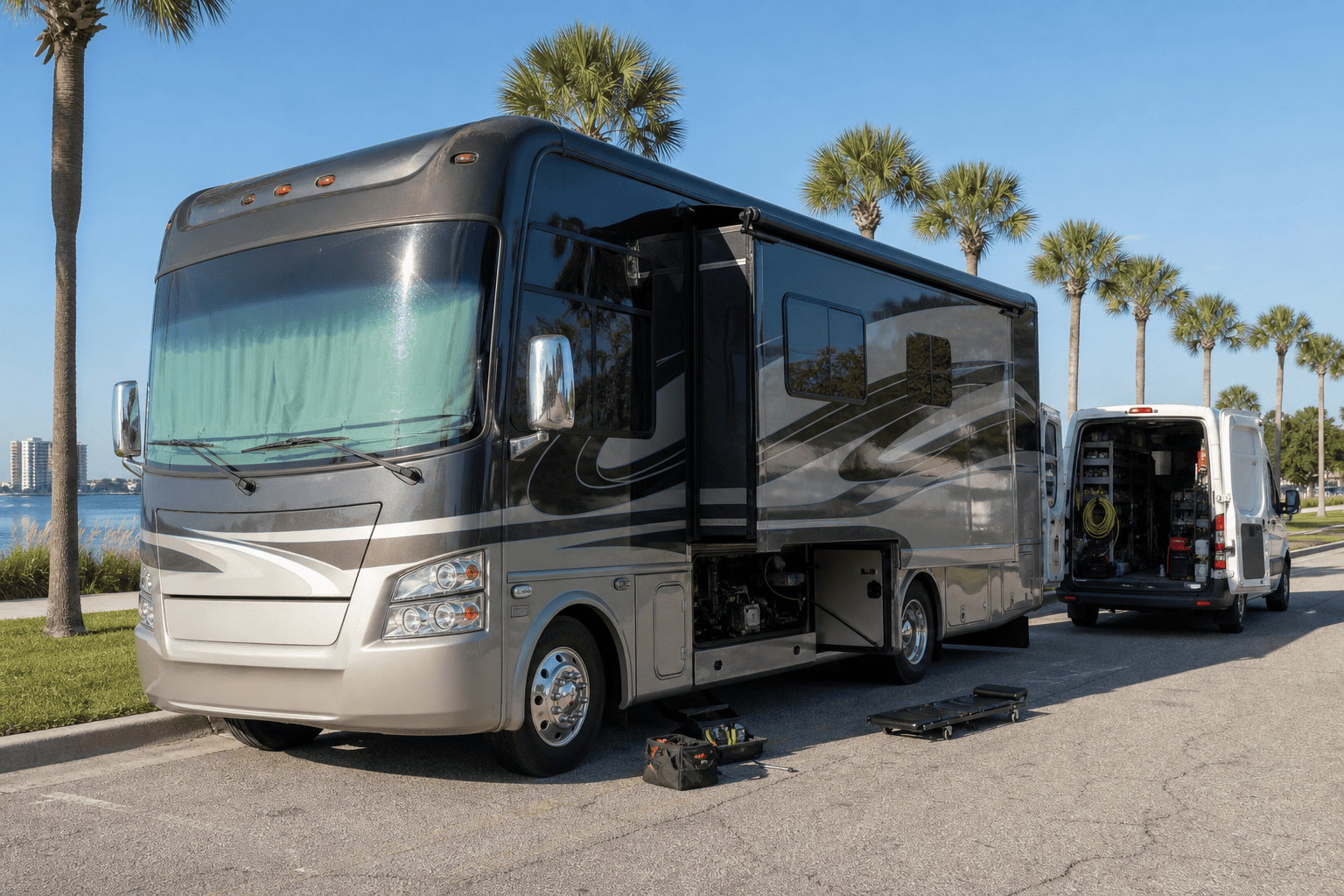
Covers on-site service across Pinellas County for AC failures, stuck slide-outs, and appliance issues, plus how mobile inspections and cost factors compare.

Covers efficiency assessments, integration depth, workforce shifts, and pricing ranges that determine whether AI projects help non-tech businesses or get shelved.

An overview of Denver hydration drips, Myers Cocktails, NAD+ infusions, and hangover bags, with notes on altitude context, mobile versus clinic options, and costs.

An A to Z list of hobbies spanning creative, indoor, outdoor, cheap, and unusual options, plus notes on categories and choosing pursuits that fit real adult life.
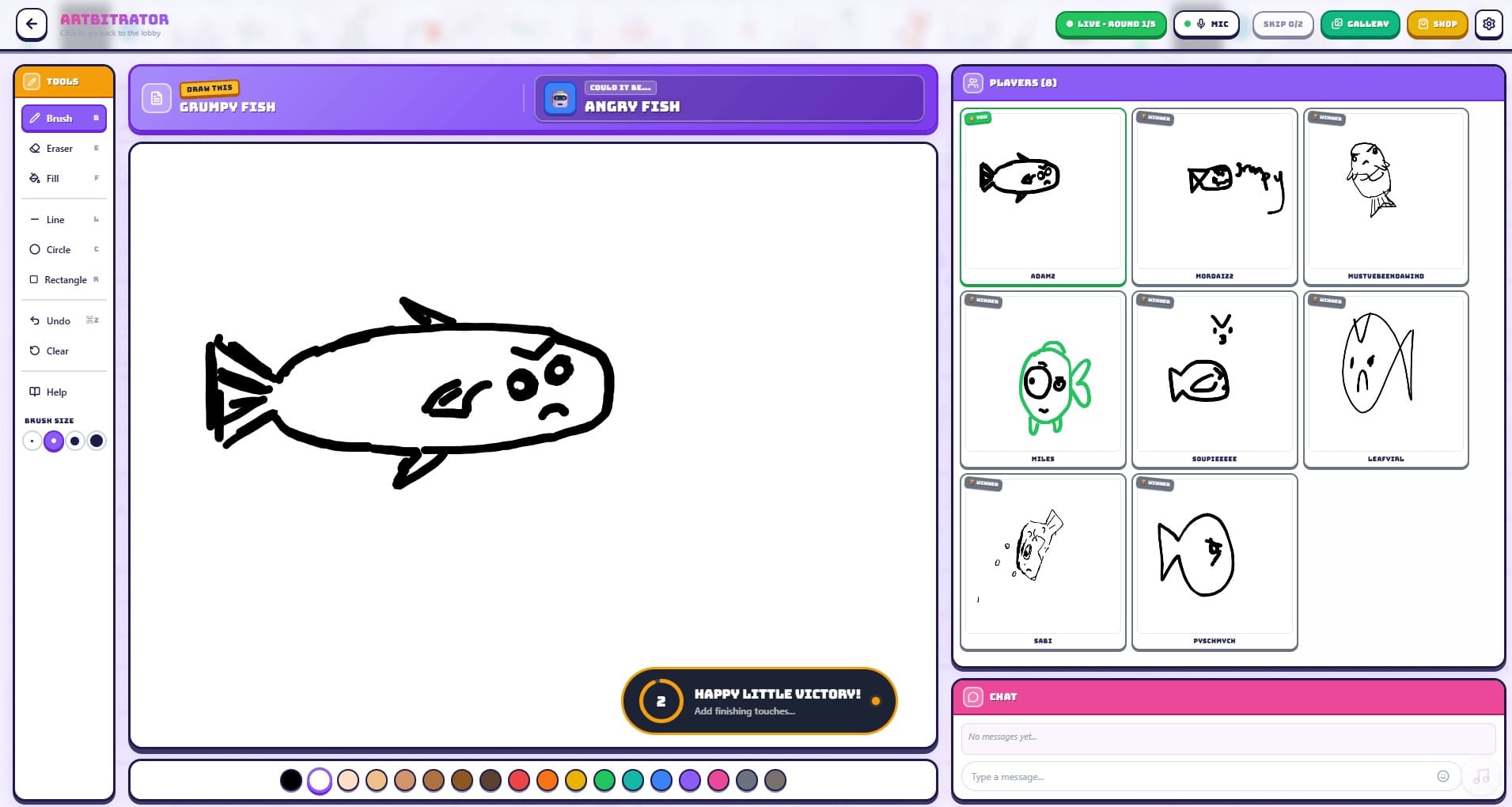
Covers turn-based formats like Skribbl.io and Gartic Phone alongside simultaneous AI-narrated play in Paint Your Date, and which fits parties, coworkers, or couples.
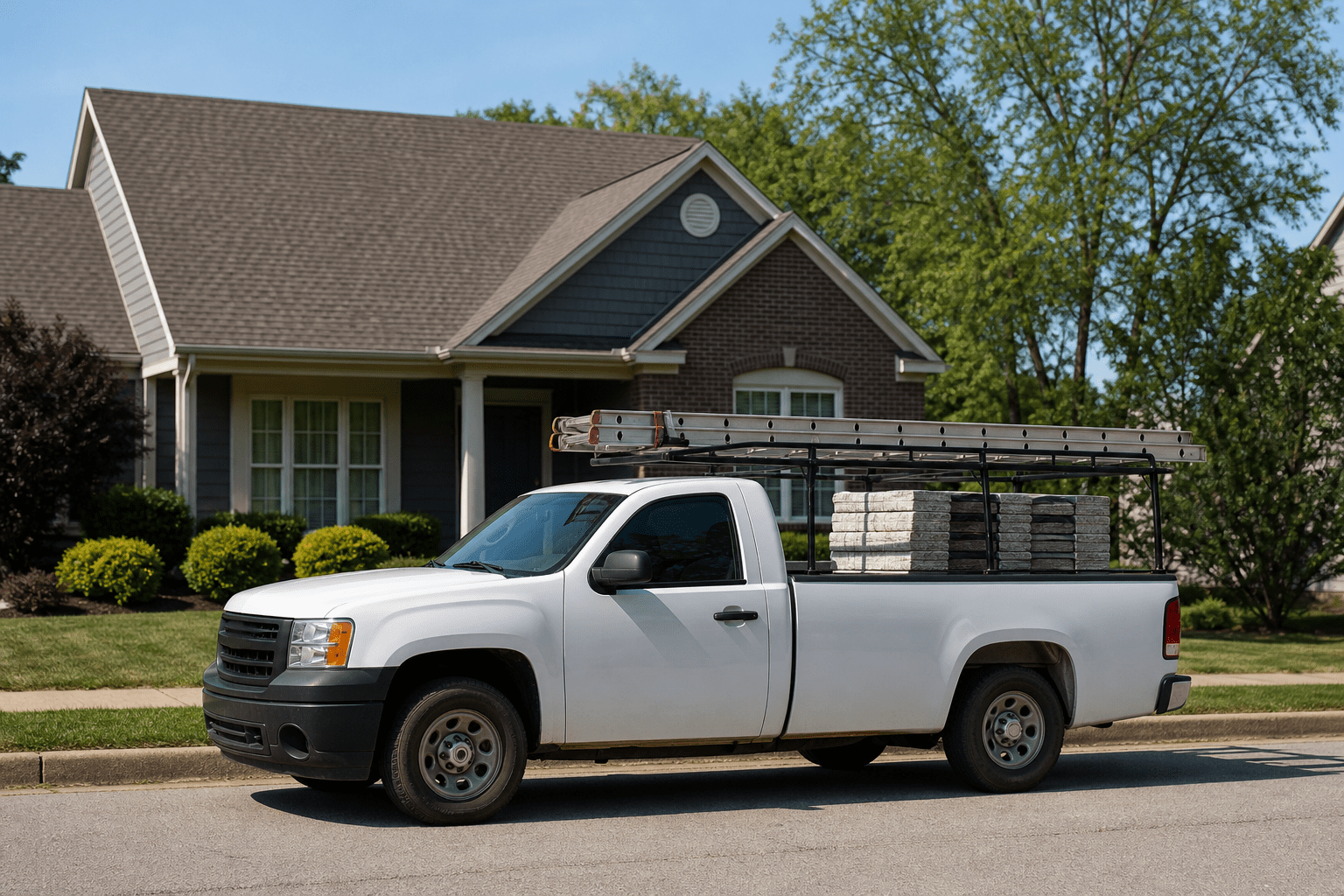
How a roofing directory narrows local contractors by ZIP code, vetting signals like licensing and reviews, and the split between quotes and emergency repairs.

This page was last updated on 22 May 2026 by u/WebsiteCatalyst.
If you have any questions, try our FAQ.
I need an SEO wingman