
The Business of AI Automation in South Africa
Examines how AI automation actually operates in South Africa, from global platforms and consulting partners to freelance builders, and who really controls adoption decisions.

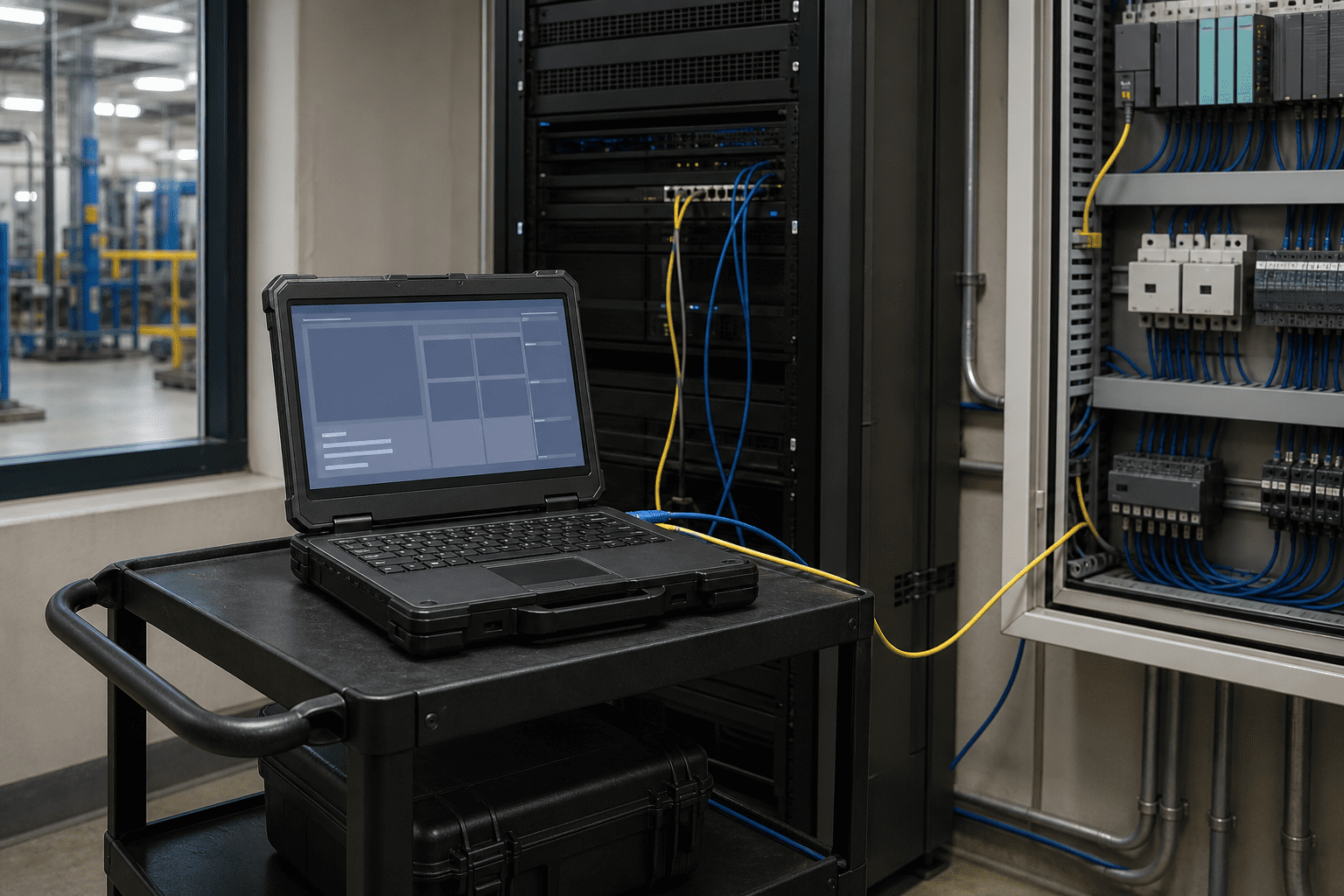
A software engineer sits inside a logistics company's dispatch office, laptop open next to a wall of monitors showing trucks in motion. She isn't there for a demo. She's writing code that reads from the dispatcher's actual workflow, watching a planner click through a clunky screen, and shipping a fix to production by the end of the week. That engineer doesn't work for the logistics company. She works for the software vendor, and she's been dropped into the customer's operation to make the product actually work for them.
That is the shape of a forward deployed engineer's job. And the way it gets done has shifted. AI-assisted coding through tools like Claude Code, Dockerized environments that run the same on a laptop and a customer's server, GitHub pull requests reviewed asynchronously, and tighter coordination through Jira, Slack, and Confluence have compressed what used to be a multi-month implementation into something a small team can take from blank repo to production deployment in weeks.
The forward deployed engineer meaning is best captured by what the role refuses to be. It isn't a pure product engineer working from a distant headquarters. It isn't a sales engineer running demos. It isn't an implementation consultant handing off a configuration file. It's a hybrid: someone who writes real code, talks directly to the people using the software, and owns the path from messy business requirement to working system.
Companies use forward deployed engineers because complex software tends to fail at the seams. A product team in another city can build a brilliant platform, but the people running a hospital scheduling desk, a construction project office, or a field-service dispatch operation have workflows that don't match the assumptions baked into the product. An engineer on the ground closes that gap. They customize, integrate, and sometimes rebuild parts of the product to fit the customer's reality.
The role is most associated with Palantir, which built much of its early business on engineers embedded inside defense, intelligence, and large enterprise clients. But the pattern has spread well beyond that origin. Healthcare operations vendors, logistics platforms, construction management tools, marketing analytics firms, and AI startups all use forward deployed engineers now, and specialized practices like forward deployment engineer europe have emerged to serve regional enterprise customers with the same embedded model. Anywhere the product is complex and the customer's environment is messy, the role tends to appear.
The forward deployed engineer roles and responsibilities are wide on purpose. On a given week, the same person might sit with an operations manager to map out how invoices actually flow, write a data integration to pull from a legacy ERP, debug a Docker container that won't start in the customer's network, deploy a new service, and then train the supervisors who will use it on Monday morning.
A logistics customer might need custom routing logic that the core product doesn't support. A hospital operations team might need a dashboard built around their specific staffing rules. A construction firm rolling out a project management platform might need integrations with three subcontractor systems and a custom report the executive team can't live without. A field-service business might need offline sync behavior the base product never anticipated. In each case, the forward deployed engineer takes the problem from "we need something" to "it's running in production."
The work is part discovery, part engineering, part diplomacy. Requirements are rarely written down clearly. Stakeholders disagree. Data is dirty. The engineer's job is to keep building anyway, and to keep the customer confident that the thing being built will actually work.
The reason a forward deployed engineer can now move a project from kickoff to production in weeks rather than quarters comes down to the stack and the methods around it.
Claude Code and similar AI-assisted development tools handle a meaningful share of boilerplate, scaffolding, refactoring, and first-draft implementation. The engineer still owns the design, the review, and the judgment, but the keyboard time on routine code drops sharply. That matters when the engineer is also the one in meetings with the customer.
GitHub holds the source of truth. Branches, pull requests, and code review keep work visible to a small distributed team even when the lead engineer is on a customer site. Docker pins down the environment so what runs on the engineer's laptop runs the same way inside the customer's infrastructure, which eliminates a class of deployment problems that used to consume entire weeks.
BMAD, used as a structured build method, gives the team a shared way to break a vague customer ask into defined stages, discovery, architecture, build, deployment, so the work stays disciplined even when requirements are shifting. Jira tracks the actual tasks. Confluence holds the decisions, the data dictionaries, the runbooks, and the handover documentation that the customer's internal team will rely on long after launch. Slack carries the day-to-day conversation, both inside the build team and with the customer's stakeholders. None of this is magic. It's a working stack that, applied consistently, replaces the old months-long deployment cycle with something tighter.
The forward deployed engineer vs solutions engineer comparison comes up often, and the distinction matters. A solutions engineer typically supports sales: scoping, demoing, answering technical questions, and helping a prospect understand how the product fits. Coding is occasional and usually shallow. A forward deployed engineer is hired to ship. They write production code, own deployments, and stay with the customer through go-live and beyond. The solutions engineer hands off; the forward deployed engineer is the one being handed to.
That difference shapes the forward deployed software engineer job description. Postings tend to ask for strong general-purpose coding ability, comfort with containerized deployment, experience with data integration across messy systems, and the soft skills to run a customer meeting without a product manager in the room. Travel or extended on-site work shows up frequently. So does language about ambiguity, ownership, and the ability to make decisions without full information. Employers are screening for engineers who can architect, build, and explain, often in the same afternoon.
The forward deployed engineer skills that matter most cluster in three areas. Technical: solid software engineering fundamentals, AI-assisted development, Docker, Git workflows, data modeling, and enough systems knowledge to debug across the stack. Discovery: the ability to sit with a non-technical user and extract what they actually need. Judgment: knowing when to customize, when to push back, and when to ship something imperfect because the customer needs it Monday.
Forward deployed engineer salary ranges sit at the higher end of software engineering compensation, reflecting both the technical depth and the client-facing pressure. Location, company stage, customer segment, and willingness to travel all move the number. Startups often pay in equity-heavy packages; established firms pay cash-heavy with bonus structures tied to deployment outcomes.
The forward deployed engineer career path branches in useful directions. Some move into staff or principal engineering roles, having seen more production systems than peers who stayed at headquarters. Others move into product, having spent more time with users than most product managers ever will. Solutions architecture, technical account leadership, AI implementation lead roles, and founding a company are all common next steps.
How to become a forward deployed engineer usually starts with a real engineering background, a few years of building and shipping software, combined with some exposure to customers. Implementation work, consulting, startup engineering where the lines blur, systems integration, and visible open-source contributions all help. Interviewers screen hard for the combination. Forward deployed engineer interview questions tend to mix coding exercises with ambiguous problem framing, system design with constraints, and scenarios that ask how you'd handle a frustrated customer, a conflicting requirement, or a deployment that broke at the wrong hour.
The role is demanding. Travel is real. Requirements arrive half-formed. Accountability sits squarely on the engineer when a deployment slips or a customer escalates. Context switching between coding, customer calls, and internal coordination wears people down. Trust has to be built with stakeholders who didn't choose to work with you, while code still has to ship.
What the role offers in return is rare. You see your software used by real people, often within weeks of writing it. You learn industries from the inside. You develop judgment that pure product engineers don't get the chance to build. And with the current stack, AI-assisted coding, containerized environments, disciplined project tooling, the speed at which a small team can take a business problem from ambiguity to production is genuinely different than it was even a few years ago.
It's a strong fit for engineers who want to build close to the customer and solve operational problems in the open. It's a poor fit for engineers who want a clean backlog, predictable hours, and the quiet of isolated coding work. The role has always been a particular kind of job. The tools have changed; the temperament hasn't.
Forward deployed engineers work where the messiness of a customer's operation meets the assumptions baked into a product, and the tooling that surrounds them matters as much as the code they write. Teams running embedded deployments often lean on the same disciplined measurement habits used in digital operations, where a seo data studio dashboard turns scattered signals into something operators can actually act on. That same instinct, surface the numbers, name the gaps, ship the fix, also shows up across the support and build offerings catalogued in the website squadron packages. The throughline is simple: complex systems get tamed by engineers who sit close to the work, read the data honestly, and keep deploying.
| Service Tier | Prototype Engineering Prices | Integration Engineering Prices | Automation Engineering Prices | Platform Engineering Prices |
|---|---|---|---|---|
| Junior Engineering Rates | $90 – $140 | $100 – $160 | $110 – $170 | $120 – $180 |
| Mid-Level Engineering Rates | $130 – $190 | $150 – $210 | $160 – $230 | $170 – $250 |
| Senior Engineering Rates | $180 – $260 | $200 – $290 | $220 – $310 | $240 – $340 |
| Lead Engineering Rates | $230 – $320 | $260 – $360 | $280 – $390 | $300 – $430 |
| Principal Engineering Rates | $290 – $400 | $320 – $450 | $350 – $490 | $380 – $530 |
The role combines writing production code, mapping real workflows through direct observation inside customer operations, customizing or integrating the product, deploying via Docker, and training end users until the system runs in production. Engineers handle data integrations from legacy ERP systems, custom routing logic, offline sync behavior, and stakeholder disagreements without a product manager present. Context switches between coding sessions and customer calls happen frequently.
A forward deployed engineer ships production code and owns the go-live milestone inside customer environments. A solutions engineer focuses on sales scoping and demos, with only occasional shallow coding. The accountability for slipped deployments or escalations sits with the forward deployed engineer, not the solutions engineer.
Palantir originated the pattern for defense and enterprise clients, and the model has since spread to healthcare operations vendors, logistics platforms, construction management tools, marketing analytics firms, and AI startups. Embedded work commonly occurs in logistics dispatch, hospital scheduling, construction project offices, and field service environments.
Job postings require strong general coding ability, containerized deployment experience, data integration across messy systems, comfort with ambiguity, and willingness to travel or work extended on-site periods. Additional clusters include AI-assisted development, systems debugging, discovery conversations with non-technical users, and judgment on when to customize versus push back on a request.
Claude Code handles boilerplate and refactoring, while Dockerized environments keep the laptop and customer server in sync. GitHub pull requests support asynchronous review, BMAD provides a structured build method covering discovery, architecture, build, and deployment, and Jira, Confluence, and Slack cover tasks, decisions and runbooks, and coordination. Together these tools shift timelines from multiple months down to weeks.
Common next steps include staff or principal engineering, product roles, solutions architecture, technical account leadership, and AI implementation lead positions. Some forward deployed engineers also move on to found companies, drawing on direct exposure to operational problems inside customer environments.
The role does not suit engineers who want a clean backlog, predictable hours, or isolated coding work. It demands real travel, half-formed requirements, and accountability for slipped deployments or escalations, along with frequent switching between code and customer calls.
A specialized practice called forward deployment engineer europa appears at empowerbi.com, serving regional enterprise customers. It applies the embedded engineering model described in the article to that customer base.
Recent Posts

Examines how AI automation actually operates in South Africa, from global platforms and consulting partners to freelance builders, and who really controls adoption decisions.

Covers the ANTS platform, private upload services, required documents for used and imported vehicles, processing timelines, and typical causes of file rejection.

Covers on-site service across Pinellas County for AC failures, stuck slide-outs, and appliance issues, plus how mobile inspections and cost factors compare.
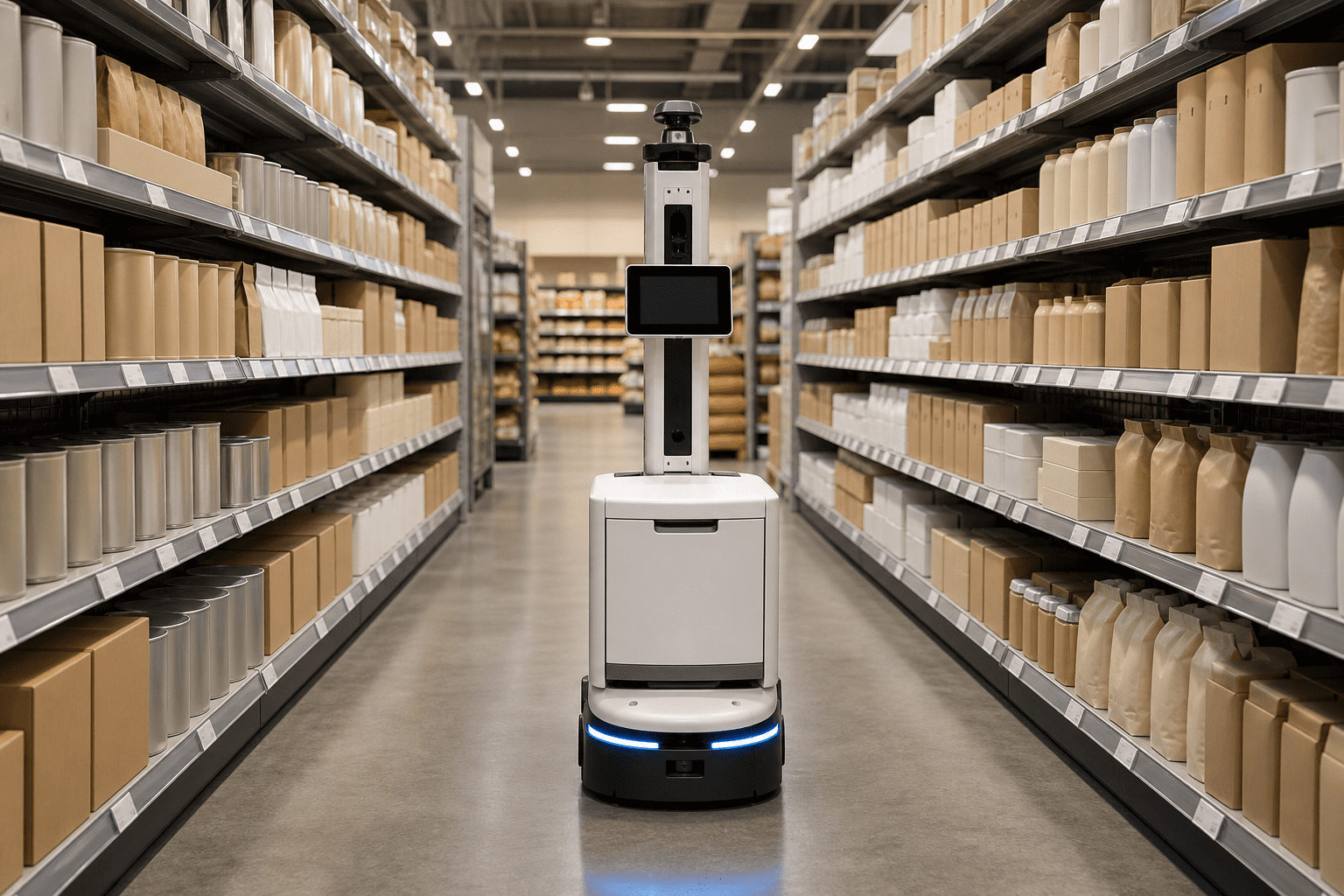
Covers efficiency assessments, integration depth, workforce shifts, and pricing ranges that determine whether AI projects help non-tech businesses or get shelved.

An overview of Denver hydration drips, Myers Cocktails, NAD+ infusions, and hangover bags, with notes on altitude context, mobile versus clinic options, and costs.

An A to Z list of hobbies spanning creative, indoor, outdoor, cheap, and unusual options, plus notes on categories and choosing pursuits that fit real adult life.
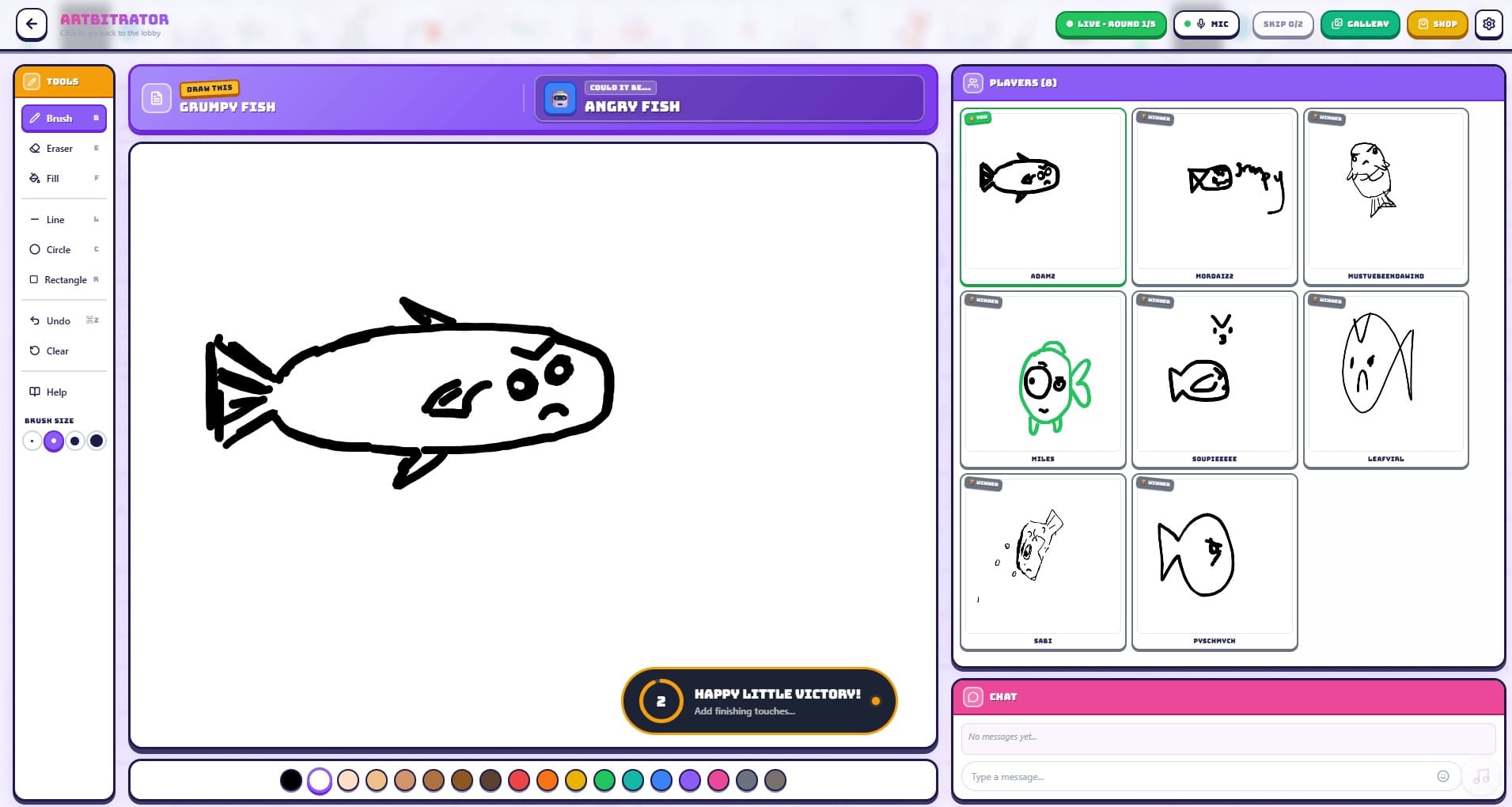
Covers turn-based formats like Skribbl.io and Gartic Phone alongside simultaneous AI-narrated play in Paint Your Date, and which fits parties, coworkers, or couples.
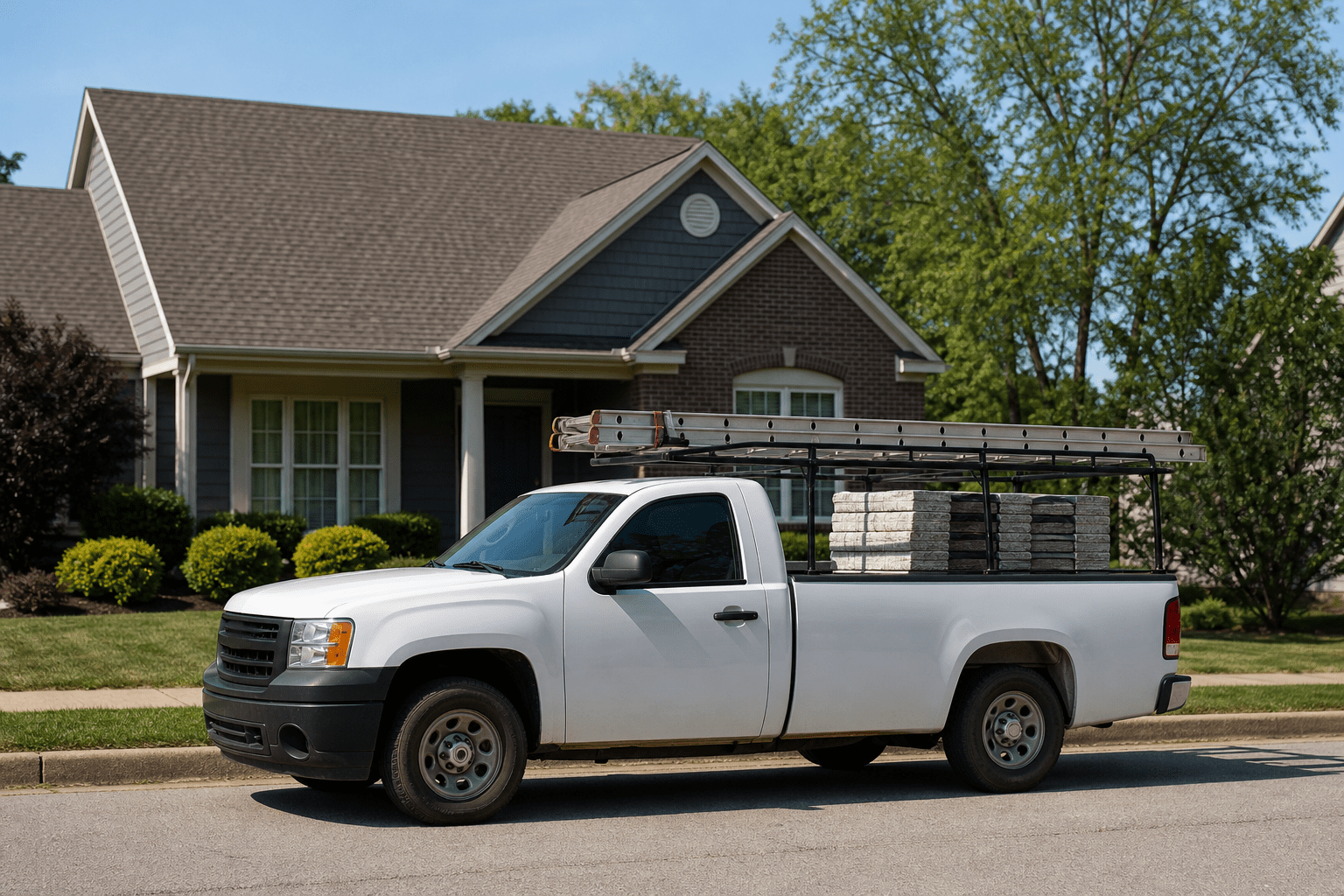
How a roofing directory narrows local contractors by ZIP code, vetting signals like licensing and reviews, and the split between quotes and emergency repairs.

This page was last updated on 22 May 2026 by u/WebsiteCatalyst.
If you have any questions, try our FAQ.
I need an SEO wingman