Spain has become one of the most versatile backdrops for film, TV, and commercial shoots; you can move from Mediterranean coasts to alpine style mountains in a single production day. This article walks through Spain’s key regions, the practical logistics that support shoots, and what location scouts should know when planning their next project here.
Why Spain’s Locations Are Having a Moment
Spain keeps popping up in production briefs lately. Netflix scouting coastal backdrops? Spain. Luxury car brand needs dramatic mountain roads? Spain again. Sure, 300 days of sunshine helps. But here’s what really matters: you can shoot Mediterranean beaches in the morning and be in Alpine terrain by afternoon. The entire country functions like a massive location library, and the logistics actually work. The country’s gotten surprisingly good at this. Futuristic architecture? Check. Medieval villages? Everywhere. Volcanic landscapes, pristine beaches, metropolitan centers, remote mountain passes. It’s all here. And unlike France or Italy where permits can take months and budgets inflate quickly, Spain’s film industry has figured out how to make international productions actually happen. Here’s the thing most producers discover: working with a local production company in Spain isn’t just about finding locations. It’s about someone who knows which permits actually matter, where you can shoot without dealing with tourist crowds, and how to get equipment moved between cities without losing half a day. The landscape gets you there. The logistics keep you there.
The Mediterranean Coast: More Than Just Beaches
Spain’s Mediterranean coastline runs for over 1,600 kilometers. The Costa Brava north of Barcelona? Rugged cliffs and hidden coves that regularly double for Greek islands. Costa Blanca further south delivers the postcard version: white sand, turquoise water, palm trees. But the real gems sit just off the obvious tourist trail. La Muralla Roja in Alicante is a perfect example. Someone decided to build a residential complex that looks like M.C. Escher got obsessed with Mediterranean colors. Pink and terracotta walls, geometric staircases going nowhere and everywhere. Fashion photographers discovered it years ago. Now it’s become shorthand for “futuristic but warm,” exactly what brands want when they need something that photographs unlike anything else. The practical stuff matters too. Mild winters mean you can shoot year-round. Tourism infrastructure means hotels and restaurants that actually work. And if you connect with film location services in Spain who know the coast, they’ll show you spots that deliver that premium Mediterranean aesthetic without fighting cruise ship crowds.
Barcelona: Where Gaudí Meets the 21st Century
Barcelona is kind of ridiculous for location variety. The Gothic Quarter takes you back six centuries. Walk fifteen minutes and you’re in the Eixample district with its modernist boulevards. Then there’s Gaudí everywhere: Sagrada Familia, Park Güell, Casa Batlló. Each one photographs differently depending on time of day and what you’re trying to say. The waterfront got completely rebuilt for the 1992 Olympics, which created this interesting contrast. Medieval center meets contemporary beaches. Montjuïc gives you elevated city views. Tibidabo offers panoramas that work for everything from car commercials to establishing shots. What makes Barcelona actually functional for production is that the city’s done this hundreds of times. Local video production in Barcelona know the rhythms. They know which locations need permits weeks in advance versus day-of arrangements. They know when natural light hits specific buildings. Most importantly, they know how to work fast in a city packed with tourists who’ll happily walk through your shot.
Mountains and Beyond: Spain’s Hidden Landscapes
Everyone talks about the beaches and Barcelona. Meanwhile, the Pyrenees along the French border offer snow-capped peaks and glacial lakes that could pass for Switzerland, except permits process faster and budgets stretch further. Car commercial needing winding mountain roads? This is the spot. Head to the Basque Country in the north and it gets interesting. Dramatic coastal cliffs where green mountains just drop into the Atlantic. Almost Nordic in feel. Travel inland to Castilla y León and you’ll find yourself surrounded by vast golden plains dotted with medieval castles. Game of Thrones before that became everyone’s reference point. Southern Spain is its own world. Andalusia’s white villages cling to hillsides. Almería has semi-desert landscapes that hosted all those Spaghetti Westerns. The Canary Islands? Volcanic terrain that ranges from North African to straight-up lunar.
The Practical Side: Why Spain Works for Productions
Geographic variety is pointless if logistics fall apart. Spain’s gotten this right. Major cities have permit systems that actually function, especially for commercial work. Film commissions actively want international productions and will help with location scouting, permits, local coordination. Transportation works. Madrid and Barcelona connect to most major global cities directly. Equipment rental houses in both cities stock professional gear. You’re not hunting for adapters or settling for consumer-grade alternatives. Language could be an issue, but isn’t in practice. Most crew members in Madrid and Barcelona work regularly with UK and US productions. They speak English, understand international production expectations, and know how to adapt to different working styles. It’s not perfect everywhere in Spain, but in the major production hubs, communication rarely becomes the problem.
Seasonal Considerations for Location Scouts
Spain’s climate varies enough to be useful. While northern Europe deals with winter darkness, southern Spain stays comfortable and well-lit from October through April. Summer gets brutally hot inland but stays perfect along the northern coast. Barcelona works year-round, though summer tourist crowds complicate street filming. Spring (March-May) and fall (September-November) hit the sweet spot: good temperatures, fewer tourists, beautiful light. Mountain locations obviously need winter for snow scenes. But Spain’s varied altitudes mean you can find snow within hours of coastal warmth. Useful when you need multiple seasonal looks without country-hopping.
Finding Your Perfect Spanish Location
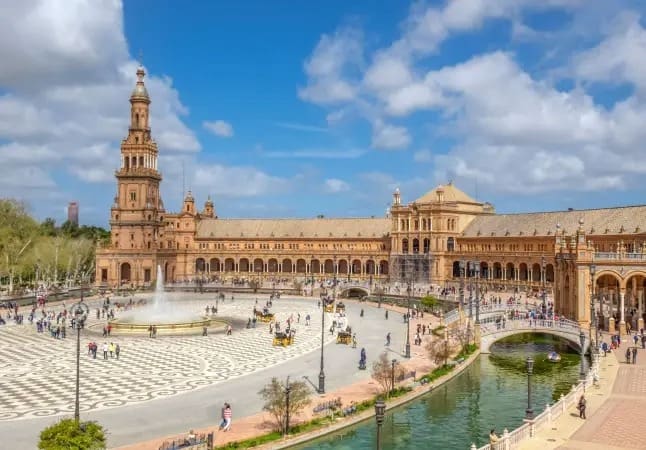
Spain isn’t one look. It’s dozens. Ultra-modern architecture? Valencia’s City of Arts and Sciences or Madrid’s business districts. Traditional European charm? Toledo’s cobblestone streets or Seville’s historic quarter. The range is the point. Digital research gets you started. Satellite imagery, location databases, Pinterest boards full of inspiration. But experienced local scouts know the practical stuff: which locations actually allow filming, when light hits specific buildings best, where to avoid weekend crowds, whether that stunning vista requires two hours of hiking or pulls right off the highway. Spain’s combination of diverse landscapes and functional production infrastructure has made it a legitimate alternative to traditional European filming destinations. The locations get productions interested. The logistics (professional crews, streamlined processes, ability to capture multiple looks without multiple countries) keep them coming back. For anyone planning European shoots, Spain deserves consideration not just for specific locations, but for how efficiently you can shoot there. The question isn’t whether Spain has what you need. It’s which of Spain’s options fits your vision best.
Summary
From futuristic seaside architecture to alpine style roads and volcanic islands, Spain delivers an unusually dense mix of cinematic locations within manageable travel times. Combine that with experienced crews, supportive film commissions, and reliable infrastructure, and you have a production environment that supports ambitious creative ideas without unnecessary friction. For modern location scouts and producers, Spain is less a backup option and more a primary hub for European shoots.